
Rotary Compressors
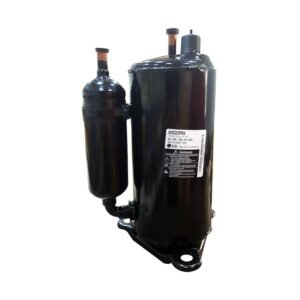
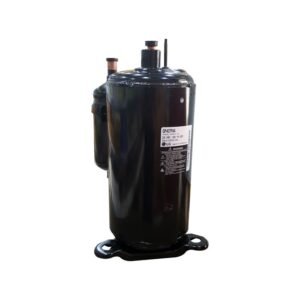
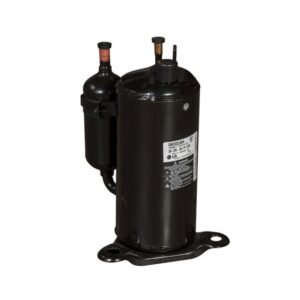
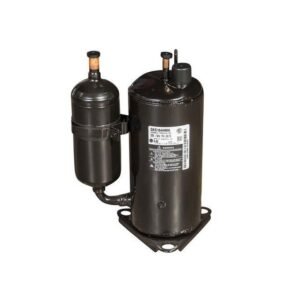
Rotary Compressors: Driving High-Efficiency HVAC in the UAE’s Extreme Climate
In the hyper-dependent indoor environment of the UAE, where air conditioning is not merely a comfort but a critical necessity, the performance and efficiency of the HVAC system’s core component—the rotary compressor—are paramount. As a key technology behind modern, high-efficiency cooling and heat pump systems, rotary compressors are essential for maintaining climate control across Dubai, Abu Dhabi, and the Northern Emirates, offering a superior blend of compact design, reliability, and energy savings crucial in a high-temperature market.
The Indispensable Role of Rotary Compressors in UAE HVAC Systems
Rotary compressors operate on the vapor compression refrigeration cycle, serving to compress the refrigerant vapor, thereby increasing its pressure and temperature. This process is the fundamental engine that drives every air conditioning and heat pump system. In the context of the UAE’s consistently high ambient temperatures and the resulting intense cooling load, the features of a rotary compressor for air conditioner systems become vital:
-
Superior Energy Efficiency: Modern rotary compressors, particularly those paired with an inverter and a sophisticated control management system, can achieve efficiency ratings that rival or even exceed some traditional systems. This modulating capability allows the compressor to vary its speed and output based on the precise cooling demand, significantly reducing power consumption—a major cost factor for both commercial and residential properties in the UAE.
-
High Reliability and Durability: Designed to operate under continuous and high-demand conditions, rotary compressors possess a simpler mechanical structure compared to reciprocating models. This contributes to reduced vibration, less wear and tear, and a higher volumetric efficiency due to minimal clearance volume. These attributes translate directly into longer operational lifespan and fewer maintenance-related shutdowns, which are critical for continuous cooling in Dubai’s summer.
-
Compact Design for Versatile Applications: The lightweight and small footprint of rotary compressors make them ideal for deployment across a wide range of applications—from residential split systems and ductless mini-splits common in smaller apartments and villas, to larger commercial packaged units. Their low vibration profile also means they do not require the heavy, fixed foundation often necessitated by older reciprocating compressor AC units.
Technical Insights: Rotary vs. Traditional Compressors
Understanding the technical advantage is key for both HVAC technicians and commercial facility managers in the UAE. The choice between a rotary and a fixed-speed reciprocating or scroll compressor impacts long-term operational costs and comfort.
Applications and Usage in the UAE Market
-
Residential HVAC: Rotary vane compressors are the engine of choice for most high-efficiency residential split-system and window/package units, valued for their quiet operation and space-saving design.
-
Light Commercial/Ductless Systems: Mini-split and VRF (Variable Refrigerant Flow) systems, which are increasingly popular in UAE commercial offices and high-end residential towers, rely heavily on rotary and scroll compressor technology for zoned cooling efficiency.
-
Process and Commercial Chillers: For larger-scale cooling demands, particularly in hotels, malls, and industrial facilities, rotary screw compressors—a robust variant—are utilized due to their high volume capacity and low vibration profile. Professionals looking for screw compressor suppliers in UAE often turn to the same specialist vendors who stock high-capacity rotary components.
Where to Find the Best Rotary Compressors in UAE
Sourcing authentic, high-quality AC compressor suppliers in UAE is a core concern for HVAC professionals in a high-stakes, time-sensitive market like Dubai and the wider UAE. Reliability in performance is non-negotiable.
-
Best Rotary Compressors in Dubai: The demand is concentrated on genuine components that promise the advertised efficiency and lifespan. Technicians prioritize suppliers who stock models built for extreme temperature operation, ensuring the replacement part meets or exceeds the original equipment manufacturer (OEM) specification for the region.
-
Price of Rotary Compressors in UAE: Pricing is dynamic, dependent on capacity (BTU/ton), technology (fixed-speed vs. inverter-ready), and the brand’s quality rating. Professionals seek a supplier offering transparent, competitive trade pricing without compromising on certification and quality assurance.
-
Where to find the best Rotary Compressors in UAE: The key is to partner with a specialized, locally-based compressor suppliers in UAE distributor with a verified supply chain, extensive inventory, and fast, reliable delivery capabilities across all Emirates (Dubai, Sharjah, Abu Dhabi, etc.).
Why Choose Al Faisal A/C Spare Parts Dubai?
For HVAC professionals and facilities managers across the UAE, Al Faisal A/C Spare Parts Dubai stands as a trusted authority for critical refrigeration components. Our commitment to the UAE market focuses on delivering high-quality, certified rotary compressors that meet the stringent demands of the local climate and energy regulations. We focus on:
-
Technical Compliance: Stocking components from leading manufacturers known for ISO and quality certifications, ensuring that every compressor is built to handle the intense heat load and continuous operation required in the Emirates.
-
Inventory Depth: Maintaining a robust, localized stock of various capacities and specifications (fixed-speed, inverter-ready) to ensure immediate availability and minimize HVAC system downtime—a critical factor for service delivery in Dubai.
-
Expert Support: Providing informed advice to ensure perfect compressor matching technology, which is essential for optimizing system performance, maximizing energy efficiency, and preventing premature component failure.
Technical FAQ:
1. What is the main efficiency benefit of a rotary compressor over a reciprocating compressor in a high-heat climate like the UAE?
The main benefit is the ability to operate continuously and, in the case of inverter models, to modulate capacity. Reciprocating compressors frequently cycle on and off, leading to power spikes and less efficient cooling at partial loads, whereas inverter rotary compressors adjust speed to match the precise cooling requirement, significantly reducing energy consumption.
2. How does the low vibration of a rotary compressor benefit commercial installations?
Low vibration reduces operational noise, which is critical for noise pollution regulations in commercial and residential towers. It also minimizes stress on the entire HVAC unit structure, decreasing the likelihood of structural fatigue and leak development over time.
3. Are rotary compressors suitable for R-410A and R-32 refrigerants?
Yes. Modern rotary compressors are engineered to operate effectively with the higher pressures associated with R-410A and the next-generation, lower Global Warming Potential (GWP) refrigerant, R-32. Ensure the specific model is explicitly rated for the refrigerant being used.
4. What does ‘volumetric efficiency’ mean for a rotary compressor?
Volumetric efficiency is the ratio of the actual volume of refrigerant vapor drawn into the compressor cylinder to the theoretical displacement volume. Rotary compressors have tiny clearance volumes, which maximizes the intake and compression of the refrigerant, leading to a higher volumetric efficiency and better cooling performance.
5. What is the maximum operating temperature for rotary compressors in UAE units?
While the internal operating temperature is dictated by the compression process and refrigerant used, the outdoor unit housing the compressor is designed to withstand the UAE’s high ambient temperatures, often up to 52°C or more. High-quality compressors must be rated to perform reliably under these extreme ambient conditions.
6. Does a rotary compressor require specialized oil or lubrication?
Yes, rotary compressors typically require specific Synthetic Ester Oil (POE) for use with HFC and HFO refrigerants. Using the incorrect oil can lead to bearing failure, poor lubrication, and complete compressor burnout.
7. How do I diagnose a failing rotary compressor in a residential split unit?
Common symptoms include: the unit running but not cooling, excessively high amp draw on the power line, loud rattling or grinding noises (signifying internal mechanical failure), or a thermal overload trip. A skilled technician must check superheat/subcooling and current draw for accurate diagnosis.
8. Can a fixed-speed rotary compressor be replaced with an inverter-ready one?
No. This requires the entire system to be designed for inverter technology, including a Variable Frequency Drive (VFD) and a matching control board. Direct replacement is only possible with a compressor of the same type and rating (fixed-speed for fixed-speed).
9. What is the lifespan of a quality rotary compressor in the UAE?
With correct installation, proper system charge, and regular professional maintenance, a high-quality rotary compressor can last between 10 to 15 years, although extreme usage and poor maintenance can reduce this significantly.
10. Why is the discharge temperature important for rotary compressor maintenance in the UAE?
High discharge temperatures (often exceeding 120°C) can lead to the thermal breakdown of the compressor lubricant. This breakdown accelerates wear, causes carbon deposits (coking) on internal components (like valves and bearings), and can eventually lead to mechanical failure. In hot climates, ensuring the condenser coil is clean and airflow is unrestricted is essential to manage head pressure and keep the discharge temperature within safe limits.